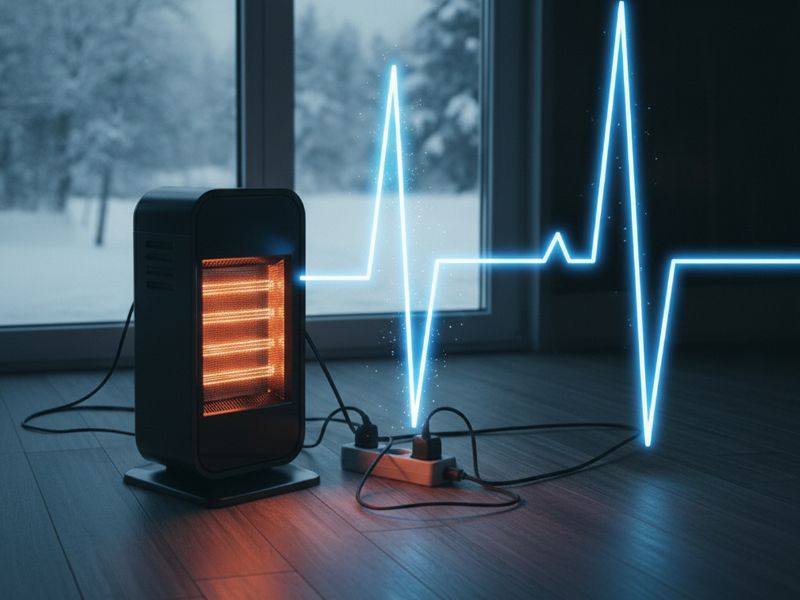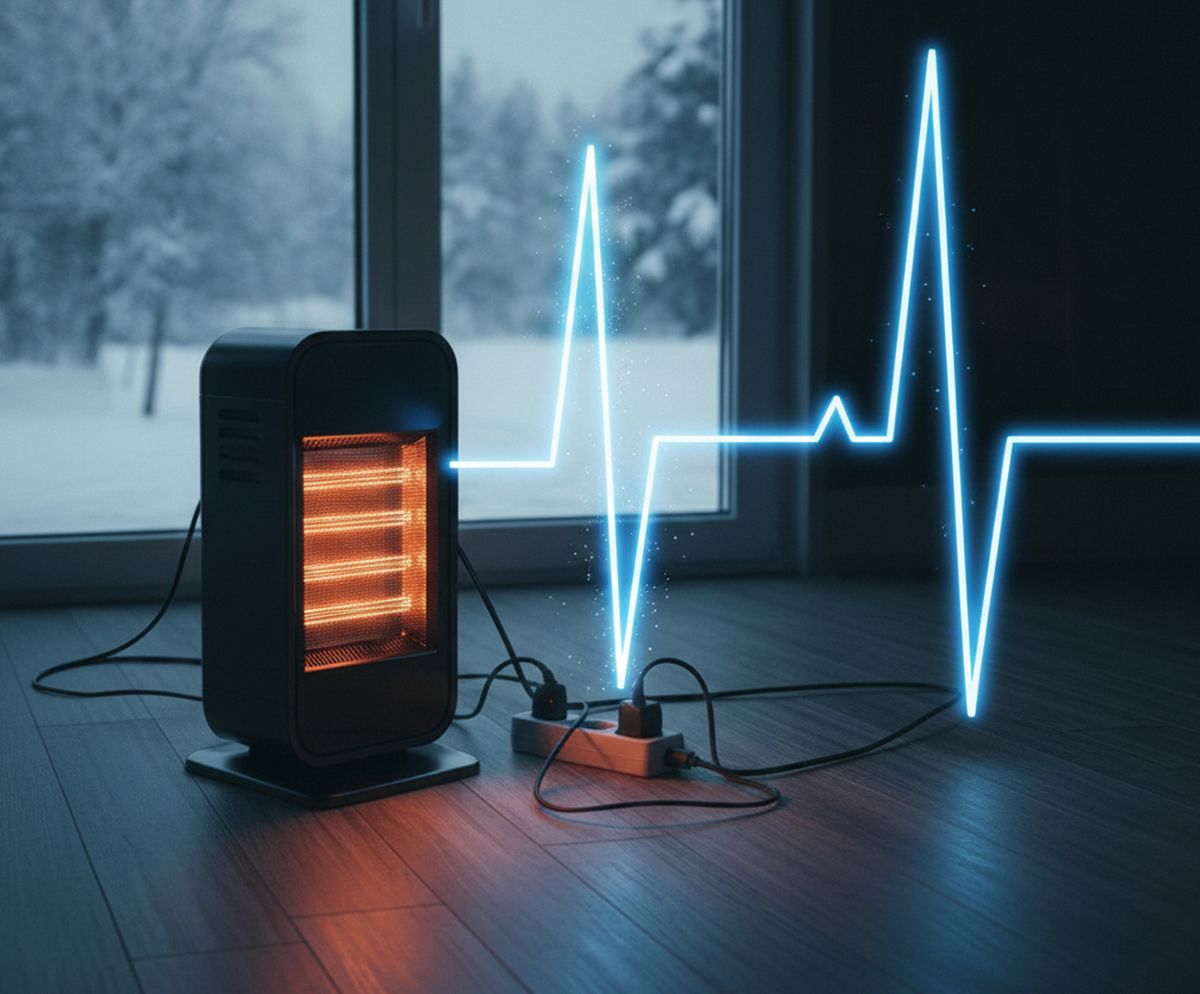
With the arrival of winter, the need for heating in our homes and workplaces skyrockets, and electric heaters and supplementary heating systems put significant pressure on electrical installations. This not only increases the risk of overloading the system and "electrical arcs," but also becomes a hidden danger for our lithium-ion battery-powered devices. While there may seem to be no direct link between heaters and lithium batteries at first glance, winter conditions combine these two risk factors, creating a much more dangerous scenario.
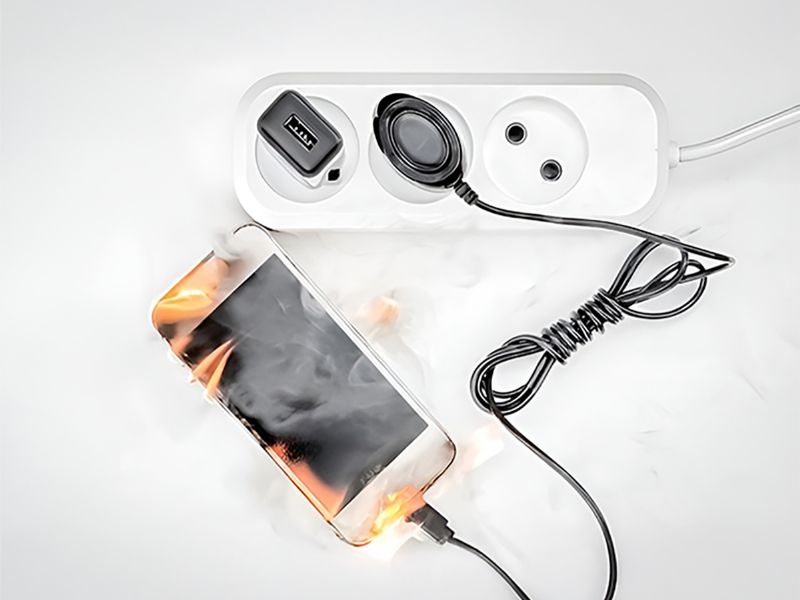
An electrical arc is an intense heat discharge that occurs when current deviates from its normal path and jumps through the air. A worn cable, a loose socket, or an overloaded extension cord can trigger this arc. These arcs pose a major threat to charging adapters plugged directly into sockets or connected to the same electrical circuit, and consequently, to devices with lithium batteries.
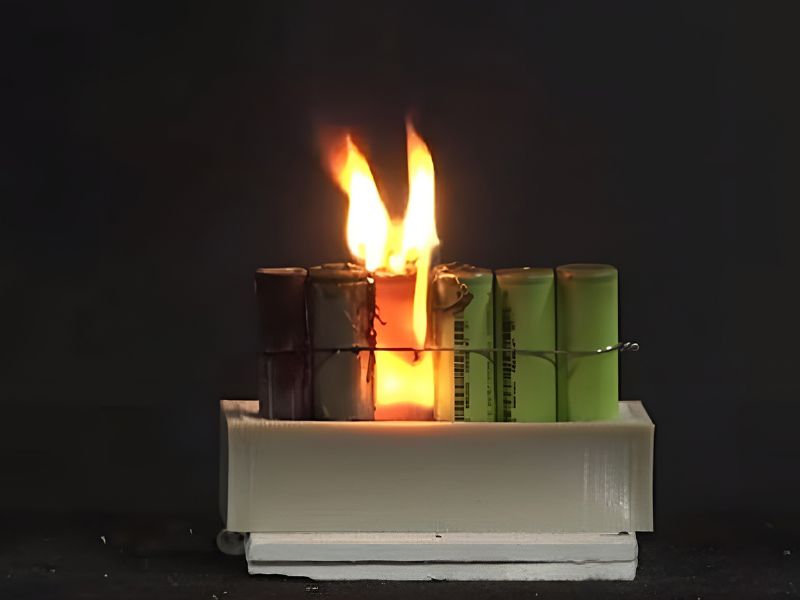
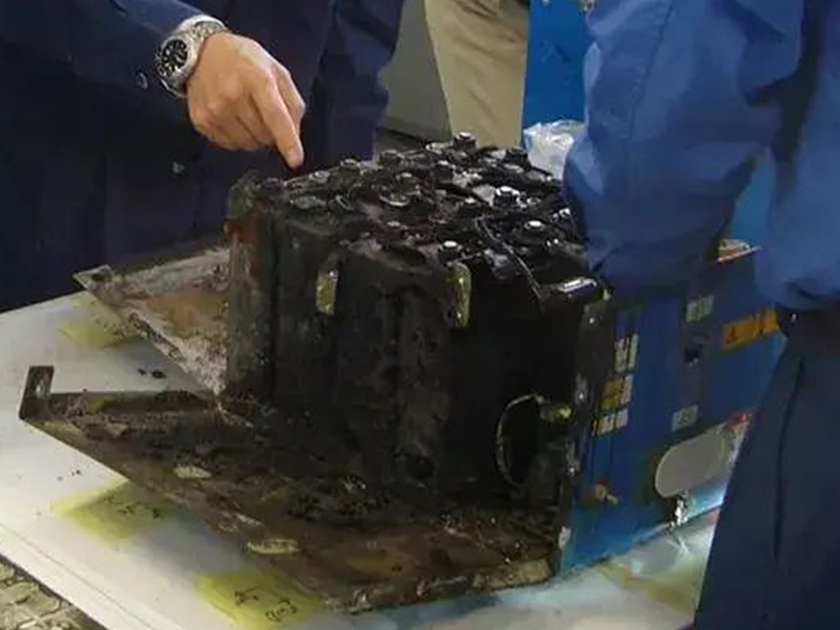
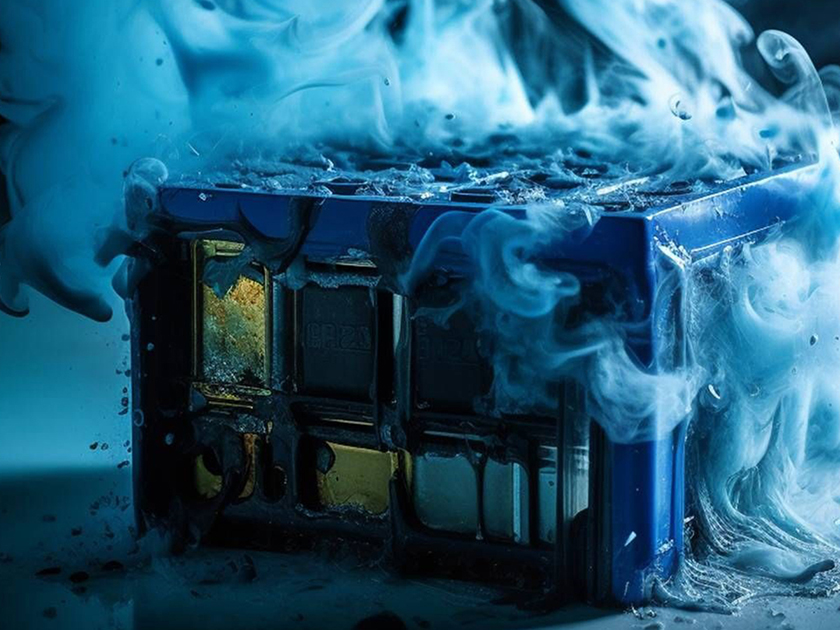
Voltage fluctuations or sudden current surges in the system can damage the battery's sensitive battery management system (BMS) by passing through poor-quality charging adapters. This can lead to overcharging or short-circuiting of the cells inside, triggering a lithium battery fire. More importantly, the intense heat emitted by electric heaters is a disaster invitation for lithium batteries. Devices with lithium-ion batteries, such as smartphones, tablets, laptops, or power banks, are extremely sensitive to high temperatures. When these devices are left too close to a heater, their batteries can rapidly heat up due to the radiant heat in the environment, exceeding the critical threshold (usually above 60-70°C). When the chemical structure inside the battery cannot withstand this excessive heat, it enters a process called "thermal runaway," an uncontrolled heat reaction. This process causes the battery to suddenly swell, release toxic gases, and ultimately explode and catch fire. A lithium battery fire, unlike traditional fires, is a chemical reaction that is difficult to extinguish with water and carries a high risk of reignition.
Therefore, for our safety during the winter months, we must pay attention not only to the use of electric heaters but also to their interaction with our lithium battery devices. When using heaters, we must always plug them directly into a wall socket, avoid overloading extension cords, and most importantly, keep our lithium battery devices at a safe distance from heaters to prevent them from overheating. To prevent the winter temperature in our homes from turning into a disaster, we must be conscious and careful about both our electrical installations and our batteries, which are the greatest energy source of our modern technology.