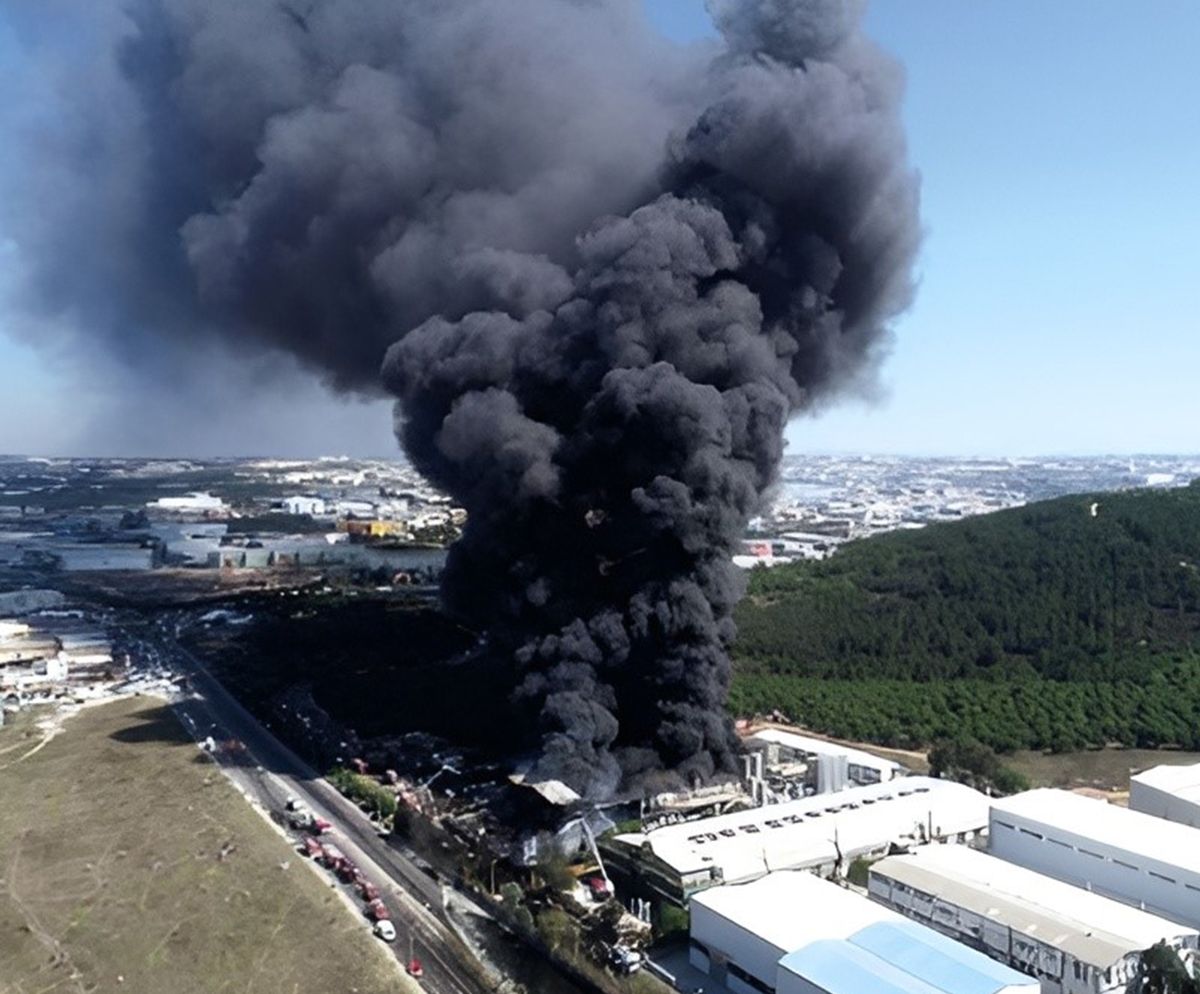
Modern Response Strategies for Sectors with Lithium Fire Risk
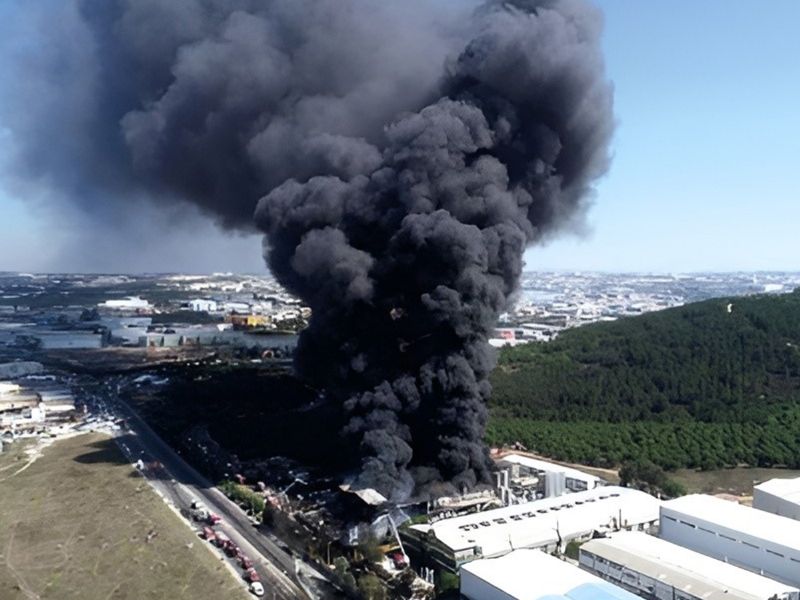
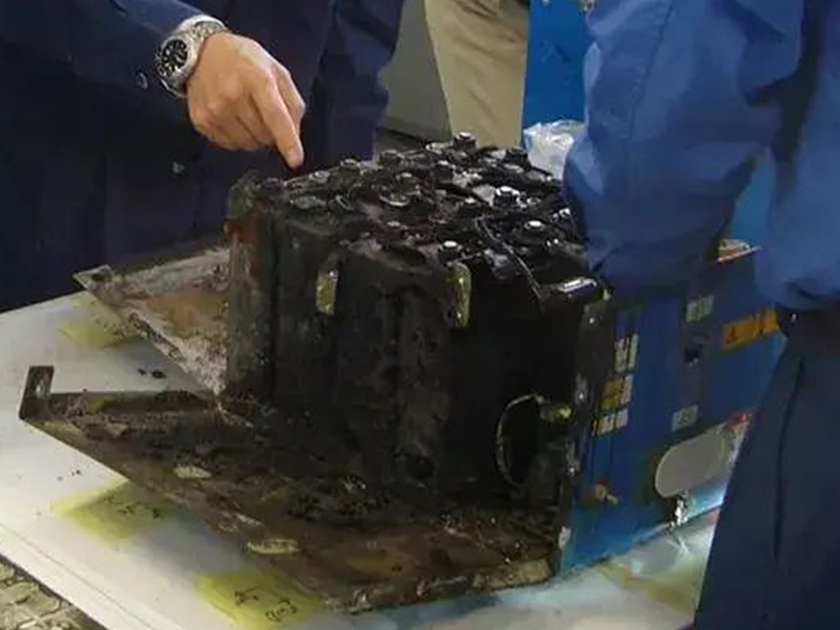
With the energy transition, lithium-ion batteries are no longer just in our mobile phones, but at the heart of massive facilities and transportation networks. However, this high energy density brings new safety risks on an industrial scale. For businesses, lithium fires mean not only material damage, but also operational downtime and loss of reputation.
So, what strategy should at-risk sectors follow against this danger?
Key At-Risk Sectors
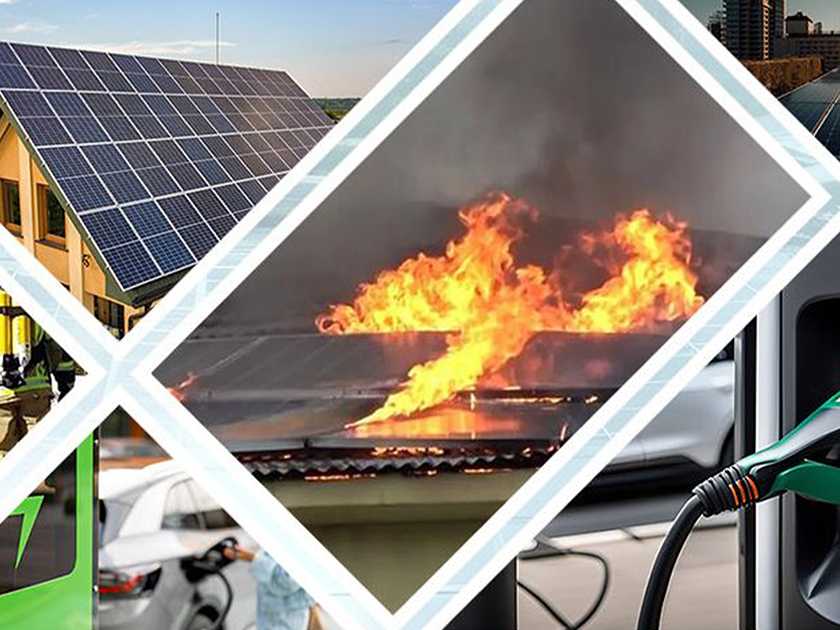
Lithium fire risk has become a common issue for many different industries today:
Industrial Fire Prevention and Response Strategies
Combating lithium-ion fires requires a radical shift from traditional fire strategies. Here are 3 key strategic steps businesses should adopt:
1. Passive Prevention and Monitoring Mechanisms
Identifying the risk before a fire breaks out is the first line of defense. 24/7 monitoring of facilities with heat sensors, battery management systems (BMS), and smoke detectors is critical. However, monitoring systems do not stop the fire, they only provide notification.
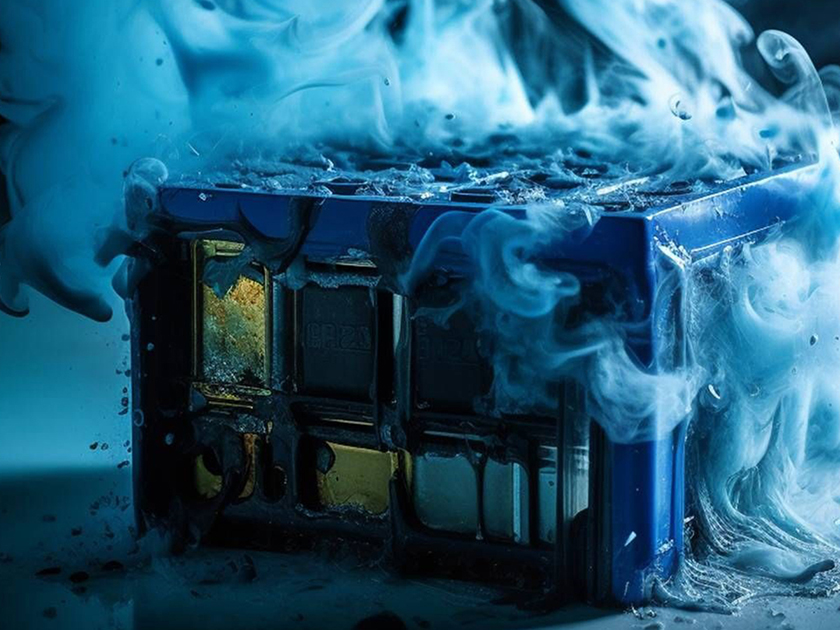
2. Thermal Leakage-Specific Response Technology
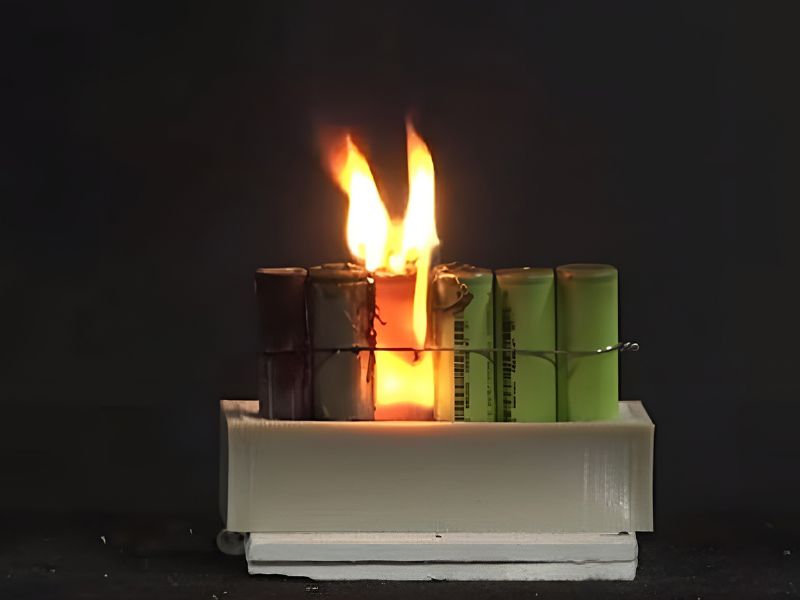
Water or standard chemical powders may be ineffective against lithium fires.
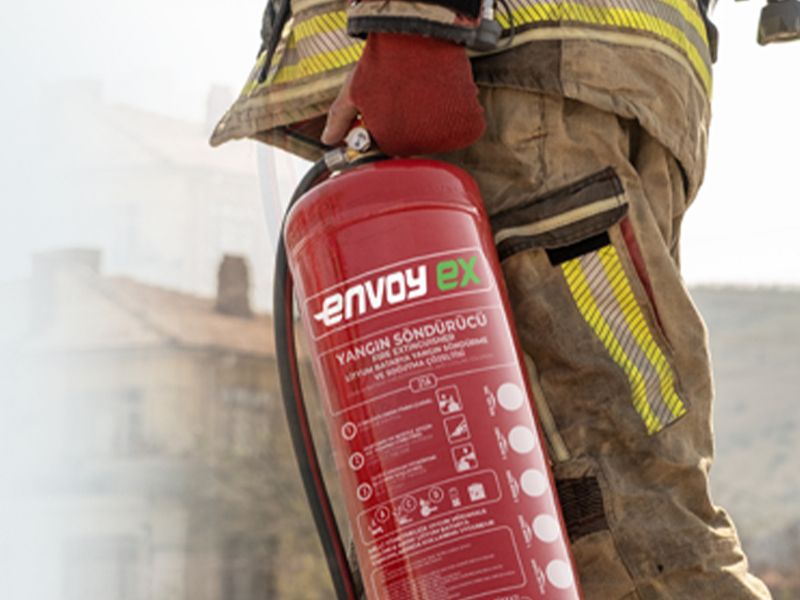
The strategy should center around systems that can halt the chain reaction of heat within the battery. Advanced solutions like Envoy Fire absorb heat in seconds, preventing the fire from spreading to other battery cells or units. 3. Re-ignition Control (Encapsulation) The biggest problem in industrial fires is that a battery bank, thought to be extinguished, reignites hours later. The intervention strategy should aim not only to extinguish the flame but also to permanently trap (encapsulate) flammable gases and heat. Securing the Future In sectors using lithium-ion batteries, it is impossible to ensure safety with outdated fire extinguishing methods. Businesses must develop fire safety protocols; Updating with next-generation technologies based on speed, rapid cooling, and preventing re-ignition is not a choice, it's a necessity.
Envoy Fire is there to help you manage the lithium risk in your industrial facilities.